meteopatras.eu - Section: Climate (Greece)
Climate & Climate Change in Greece
The Climate is the «long-term picture» of the weather (over decades). Η climate change is the gradual change of this picture. In Greece and in the Mediterranean in general, the main issues that concern us are: more heat, drought, greater risk of fires, but also heavy rain/flooding episodes in some cases.
What is «Climate»?;
Ο weather is what we are living today/tomorrow (rain, wind, temperature). The Climate is the «pattern» of weather in decades: averages, variances and outliers.
The climate is described by indicators such as:
- Temperature (averages, maximum/minimum, heat waves)
- Precipitation (sets, seasonality, severe storms)
- Drought (length of dry periods, water resources)
- Sea temperature and sea level
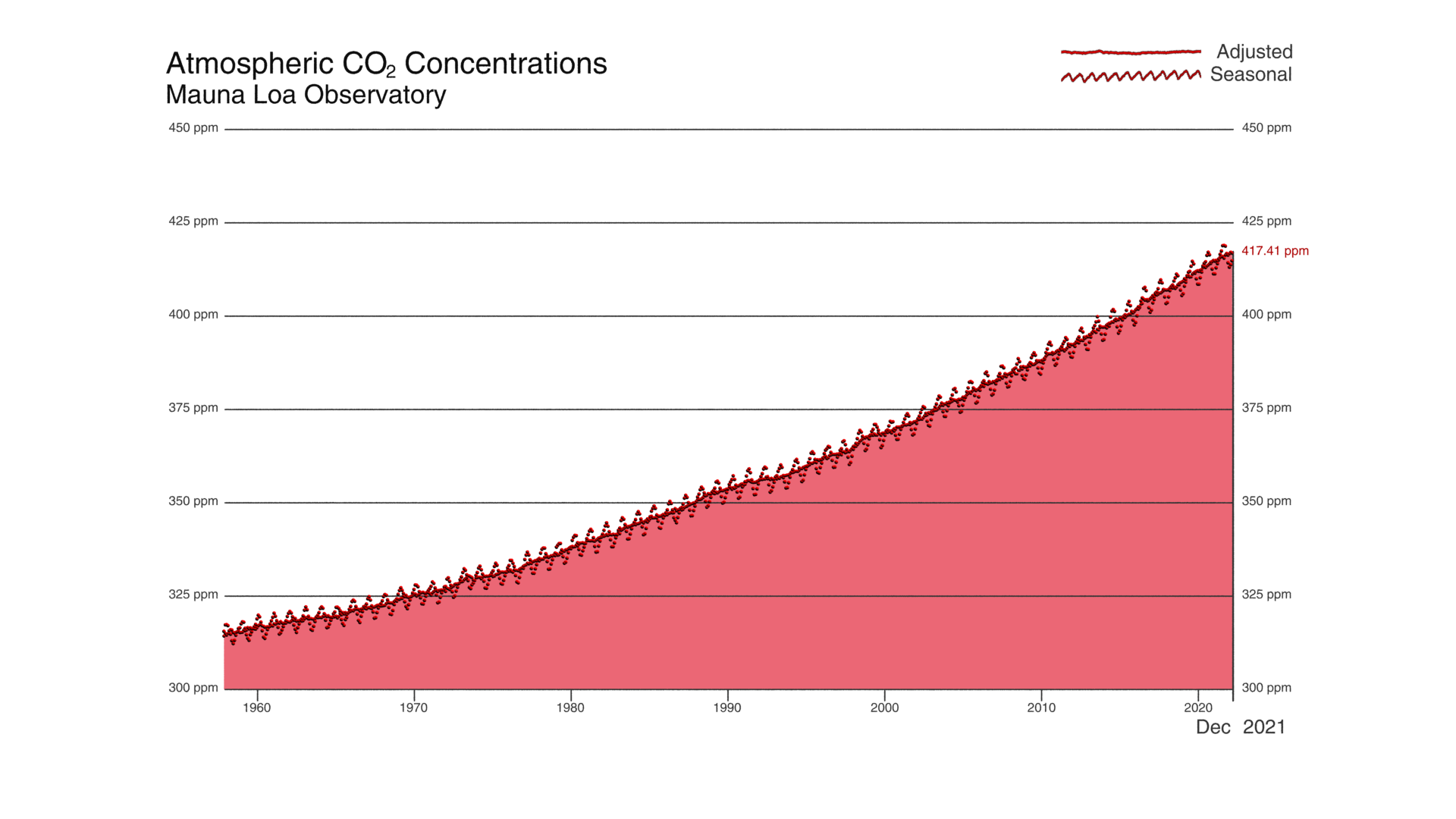
What has changed in the last ~20 years
In the last ~20 years, climate change has become more «visible» through successive warm years, increased heat in the oceans and greater pressure from extreme events.
- Record temperatures: The World Meteorological Organization (WMO) confirms that the 2024 was the warmest year in the modern record and about 1,55°C over the pre-industrial period (1850-1900).
- The sea is rising: Satellite measurements show continued rise in mean sea level (1993-2024), critical for coastal areas.
- Mediterranean: The Mediterranean is considered a «hotspot» and sea surface temperature is trending upwards in recent decades.
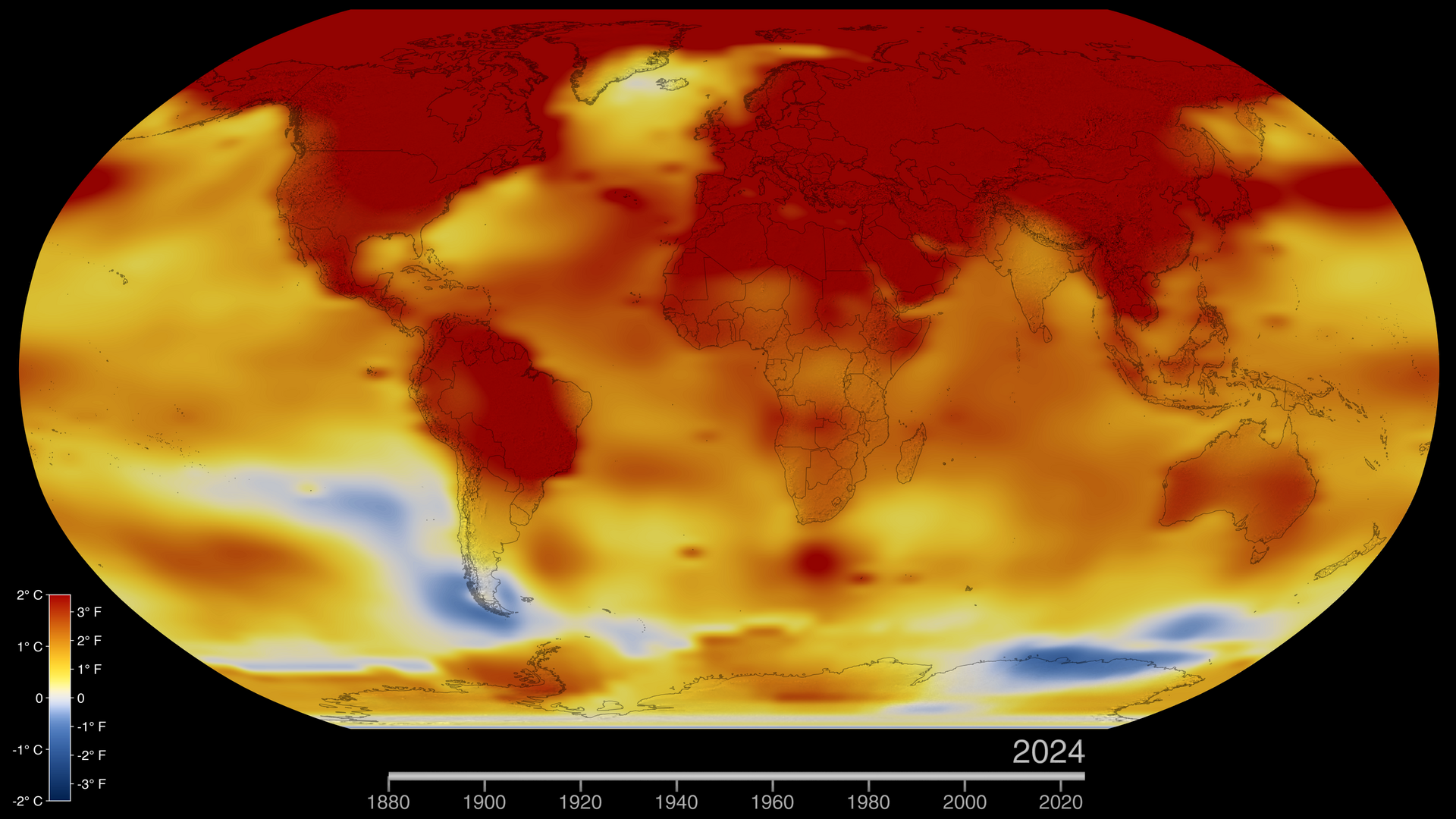

What it means in practice for Greece
Greece is affected by the trends in the wider Mediterranean. On a practical level, this translates into:
- Causesons and increased heat stress (especially in urban areas).
- Drought and pressure on water resources, especially after prolonged dry periods.
- Fires: when heat + dryness + wind are combined, the risk increases.
- Heavy rains/floods in some episodes, especially when the drought breaks.
- Coastal impacts (erosion/flooding) as sea levels rise.

Video (for a quick picture)
If the videos don't show up, something is probably blocking the iframes (rare). In that case, use the links in the Resources below.
IPCC: Trailer for the Synthesis Report.
WMO: State of the Global Climate 2024 (video).
Copernicus (C3S/ECMWF): Global Climate Highlights 2024.
What we can do (practically)
Mitigation (cause reduction)
- Energy saving: insulation, efficient appliances, proper use of heating/cooling.
- Moving around: where possible, less car, more public transport.
- Less waste: repairs, reuse, proper waste management.
Adaptation (risk reduction)
- Hot weather: shade/shade, hydration, care of vulnerable groups.
- Fires: clean-ups, information, action/evacuation plan where necessary.
- Floods: avoid crossing flooded roads, be careful in streams/streams.
Resources / More reading
- IPCC - AR6 Synthesis Report: Climate Change 2023
- WMO - Confirmation: 2024 warmest year (~1.55°C above 1850-1900)
- Copernicus - Global Climate Highlights 2024
- EEA - European Climate Risk Assessment (EUCRA)
- NASA/JPL - Sea Level Rise (1993-2024)
- Copernicus Marine - Mediterranean SST time series & trend
- MedECC - 1st Mediterranean Assessment Report (main results)
- NASA SVS - CO₂ (Keeling Curve)
- NASA SVS - Global Temperature Anomalies (1880-2024)
- ESA - Wildfires continue to rage in Greece (Sentinel-2)